In recent years, the construction and home improvement industries have seen a significant shift toward sustainable and energy-efficient building practices. Homeowners and commercial property managers alike are increasingly prioritizing materials that not only protect their structures but also contribute to long-term energy conservation. Among the most impactful upgrades available today are advancements in roofing materials that actively manage heat absorption. A major focal point of this sustainable movement is the growing popularity of cool roofs. Unlike standard dark surfaces that absorb and trap the heat of the sun, these innovative systems are specially designed to reflect solar radiation and release absorbed heat back into the atmosphere. As temperatures rise and energy costs fluctuate, finding ways to maintain comfortable indoor environments without heavily relying on mechanical cooling has become paramount. This shift toward highly reflective materials represents a smart, forward-thinking approach to modern building design, allowing for better environmental stewardship and efficient property management.
Understanding Cool Roof Technology
To fully appreciate why these systems are gaining traction, it is helpful to explore the fundamental mechanisms that make them work. The core concept revolves around two main properties: solar reflectance and thermal emittance. Solar reflectance is the ability of a surface to reflect sunlight away from the building, while thermal emittance refers to the ability to shed any heat that was absorbed. Standard dark materials tend to have low reflectance and trap a significant amount of heat, which then transfers into the living or working spaces below. In contrast, surfaces optimized for energy efficiency utilize specialized pigments, coatings, and structural designs to bounce that solar energy back into the environment. The real-world impact of these properties is substantial. According to This Old House, a cool roof, or one that uses materials and colors to reflect sunlight and absorb less heat, can lower indoor temperature by nearly six degrees in non-air-conditioned buildings. This natural cooling effect drastically reduces the amount of heat penetrating the building envelope, creating a much more comfortable environment for occupants during the hottest months of the year without requiring constant mechanical intervention. Ultimately, this technology works harmoniously with the environment to passively regulate internal climates.
Exploring the Environmental Benefits
Beyond individual building comfort, the widespread adoption of highly reflective surfaces plays a critical role in addressing broader ecological challenges. Urban areas, in particular, suffer from the urban heat island effect, a phenomenon where densely built environments experience significantly higher temperatures than surrounding rural regions. The prevalence of traditional, dark-colored infrastructure absorbs massive amounts of solar radiation, elevating ambient air temperatures and degrading local air quality. By integrating highly reflective roofing systems, communities can help mitigate this heating effect. When a large concentration of buildings utilizes these advanced materials, the collective reduction in ambient heat can lead to improved air quality and a more comfortable outdoor environment for everyone. Furthermore, because these systems naturally keep buildings cooler, they drastically reduce the reliance on power grids during peak summer months. Generating less electricity for air conditioning means a direct reduction in greenhouse gas emissions from power plants. Ultimately, choosing materials optimized for solar reflectance is a powerful way for property owners to reduce their carbon footprint and actively contribute to a more sustainable, resilient community infrastructure that benefits all residents.
Evaluating the Financial Advantages
While the environmental advantages are compelling, the financial benefits often drive the final decision for property owners considering an upgrade. The most immediate economic return comes from a noticeable reduction in monthly utility bills. Because highly reflective roofing surfaces prevent excessive heat from entering the structure, air conditioning units do not have to work as hard or run as frequently to maintain a comfortable indoor climate. This decreased demand on cooling systems not only saves money on energy costs but also extends the operational lifespan of the heating, ventilation, and air conditioning equipment. Fewer hours of operation mean less wear and tear, leading to reduced maintenance expenses and delaying the need for costly mechanical replacements. Additionally, the materials used in these energy-efficient systems are often engineered for superior durability. Constant exposure to intense ultraviolet light and extreme thermal cycling can rapidly degrade standard materials, causing them to crack, blister, or prematurely fail. In contrast, reflective surfaces suffer less thermal shock because they do not experience the same drastic temperature fluctuations. This enhanced durability translates to fewer repairs and a longer usable lifespan for the entire roofing assembly, ensuring that the initial investment yields robust financial returns over the long term.
Comparing Reflective Material Options
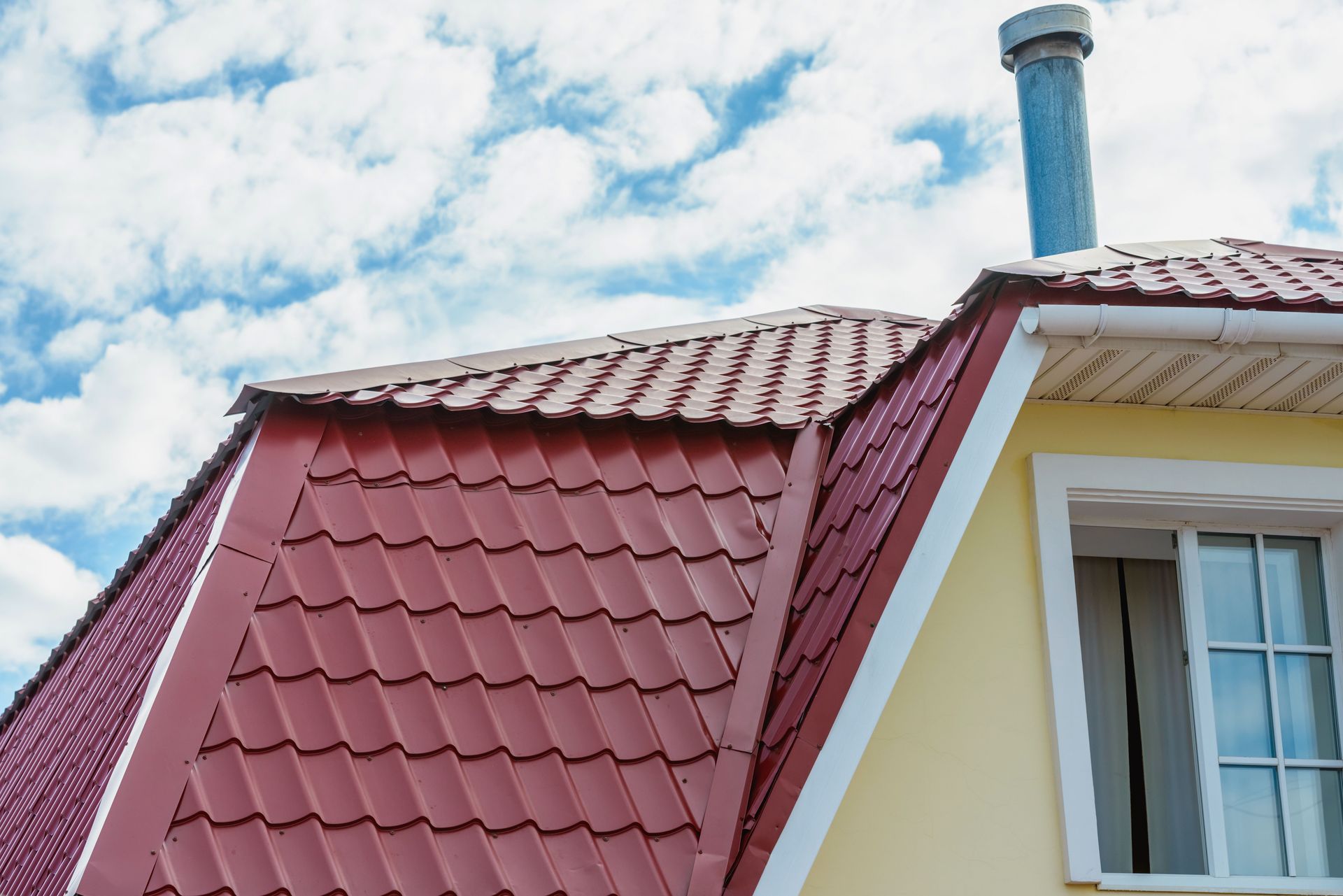
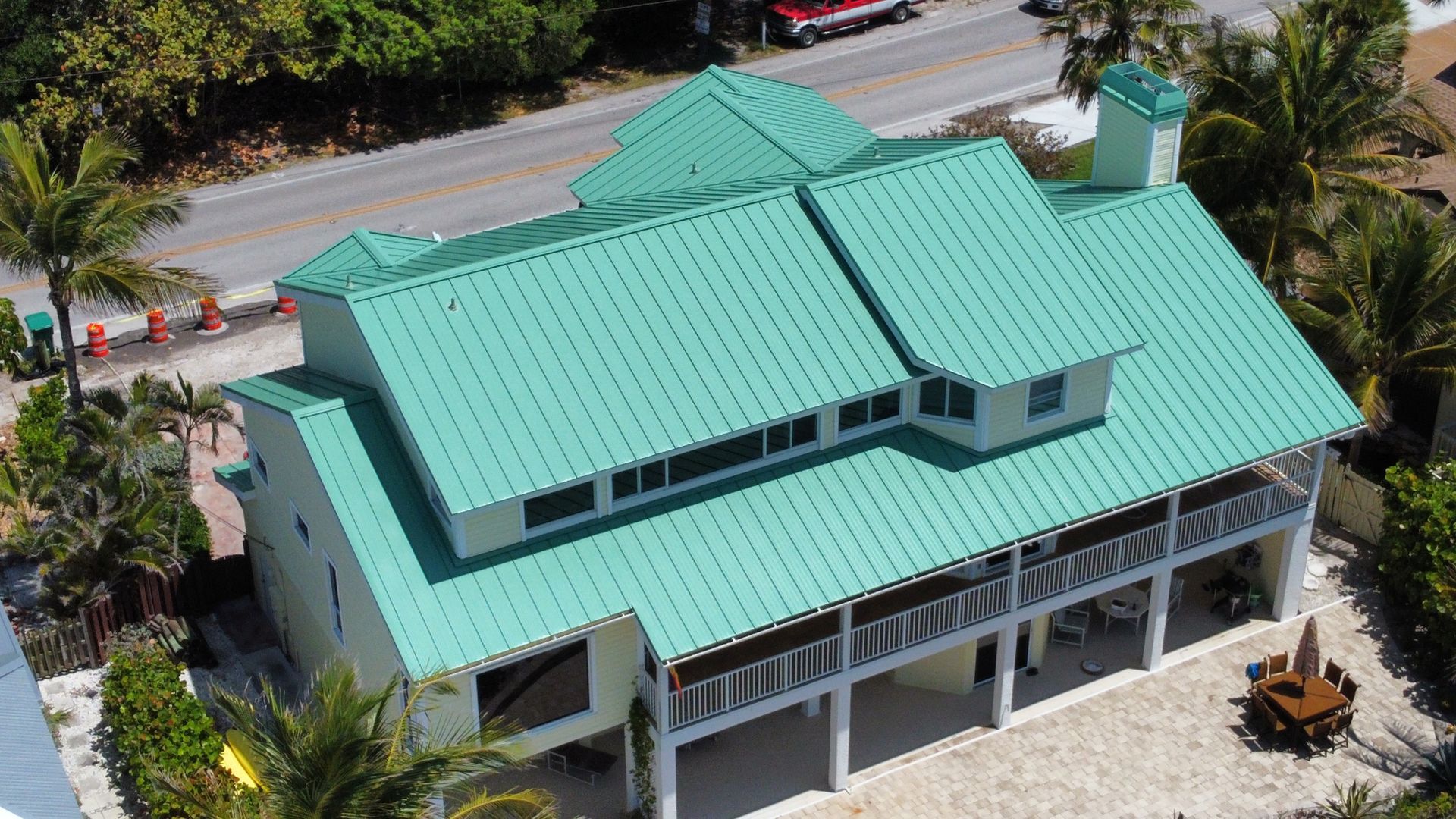
Property owners have a diverse array of options when it comes to selecting materials that maximize energy efficiency. The right choice depends on the specific architectural style of the building, the existing structural framework, and regional climate considerations. For flat or low-sloped commercial buildings, single-ply membranes such as thermoplastic polyolefin or polyvinyl chloride are highly popular choices. These broad sheets are naturally highly reflective and provide an excellent, watertight barrier against the elements. Alternatively, existing structures can often be upgraded without a complete tear-off through the application of specialized reflective coatings. These elastomeric or silicone-based liquids can be rolled or sprayed directly onto the current surface, instantly transforming it into an energy-efficient asset while sealing minor leaks and extending the life of the substrate. For steep-sloped residential applications, manufacturers now offer highly reflective shingles and metal panels. Modern metal panels, in particular, are exceptional at reflecting solar radiation and releasing absorbed heat quickly. Furthermore, specialized granules can be embedded into standard asphalt shingles to dramatically increase their solar reflectance without altering their traditional appearance. This variety ensures that regardless of the building type, there is an appropriate roofing material available to enhance energy performance and visual appeal.
Considering Installation and Maintenance
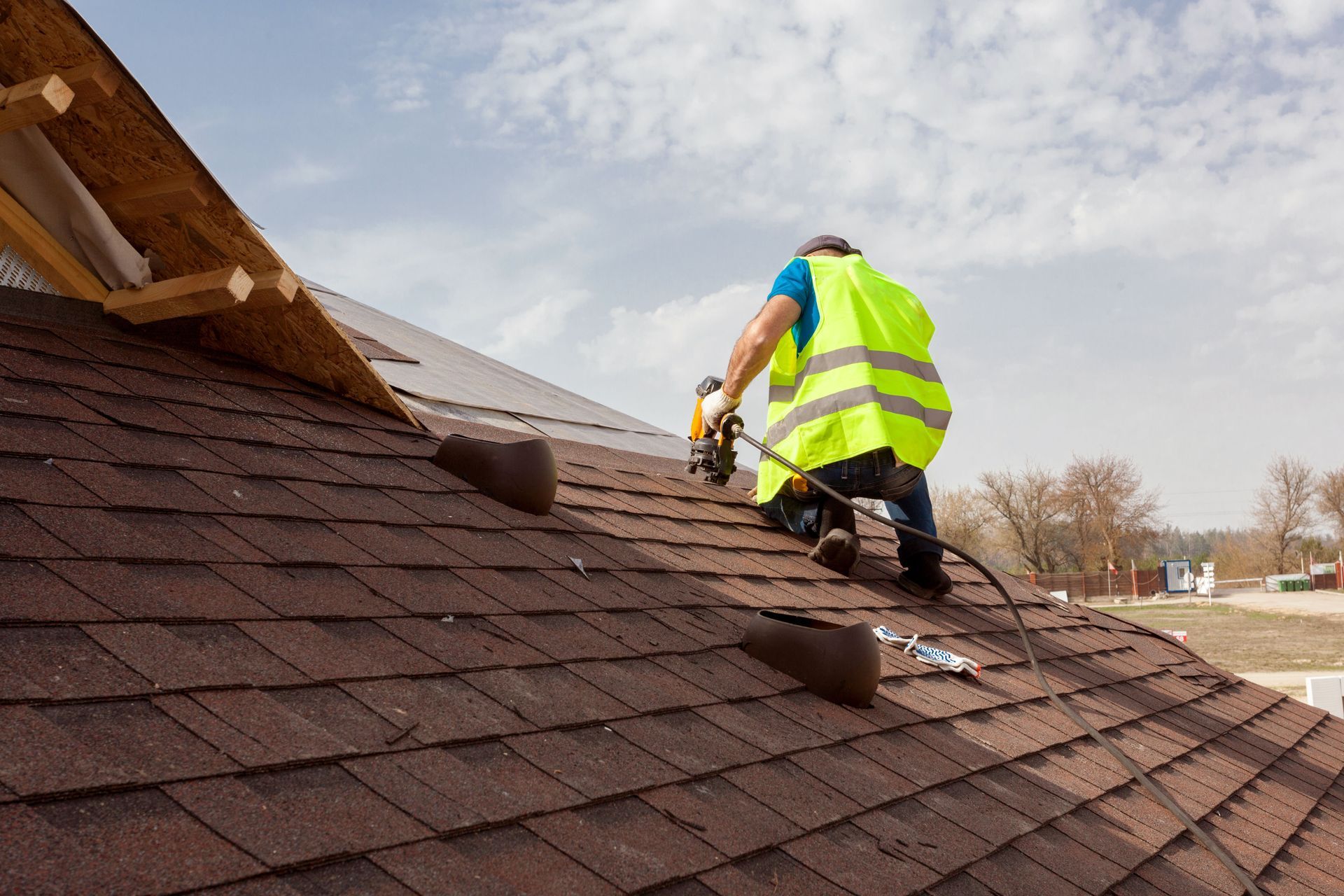
To fully realize the benefits of energy-efficient systems, proper installation and ongoing maintenance are absolutely essential. Even the most advanced reflective materials will fail to perform optimally if they are not installed according to strict manufacturer specifications. Proper ventilation, adequate insulation, and meticulous attention to flashing details are all critical components of a successful exterior upgrade. Partnering with experienced professionals ensures that the chosen materials are integrated seamlessly with the building envelope, maximizing both thermal performance and weather resistance. Once installed, these systems generally require minimal upkeep, but routine inspections remain an important part of proactive property management. Over time, dirt, dust, and environmental debris can accumulate on reflective surfaces, gradually diminishing their ability to bounce away solar radiation. Periodic cleaning may be necessary to restore the material to its original high-reflectance state. Additionally, regular inspections help identify any minor damage from severe weather events before it can escalate into a major structural issue. By investing in professional installation and committing to a schedule of basic maintenance, property owners can ensure their advanced roofing system continues to deliver exceptional energy savings, environmental benefits, and reliable protection for decades to come, maximizing the return on investment.
Transitioning to an energy-efficient exterior is a highly strategic move for any property owner looking to reduce operational costs, enhance indoor comfort, and support environmental sustainability. By understanding the underlying technology and carefully selecting the most appropriate materials, it is entirely possible to transform a building into a model of modern efficiency. The long-term financial savings generated by reduced mechanical cooling and extended material lifespans make these advanced systems an incredibly sound investment for both commercial and residential applications. If you are ready to explore how reflective technology can transform your property and provide lasting protection against the elements, expert guidance is highly recommended. Whether you are constructing a new facility or upgrading an existing structure, professional advice ensures you choose the perfect
roofing solution for your unique aesthetic preferences and functional needs. Reach out to the dedicated professionals at Sentry Metals, LLC today to learn more about optimizing your property for the future.